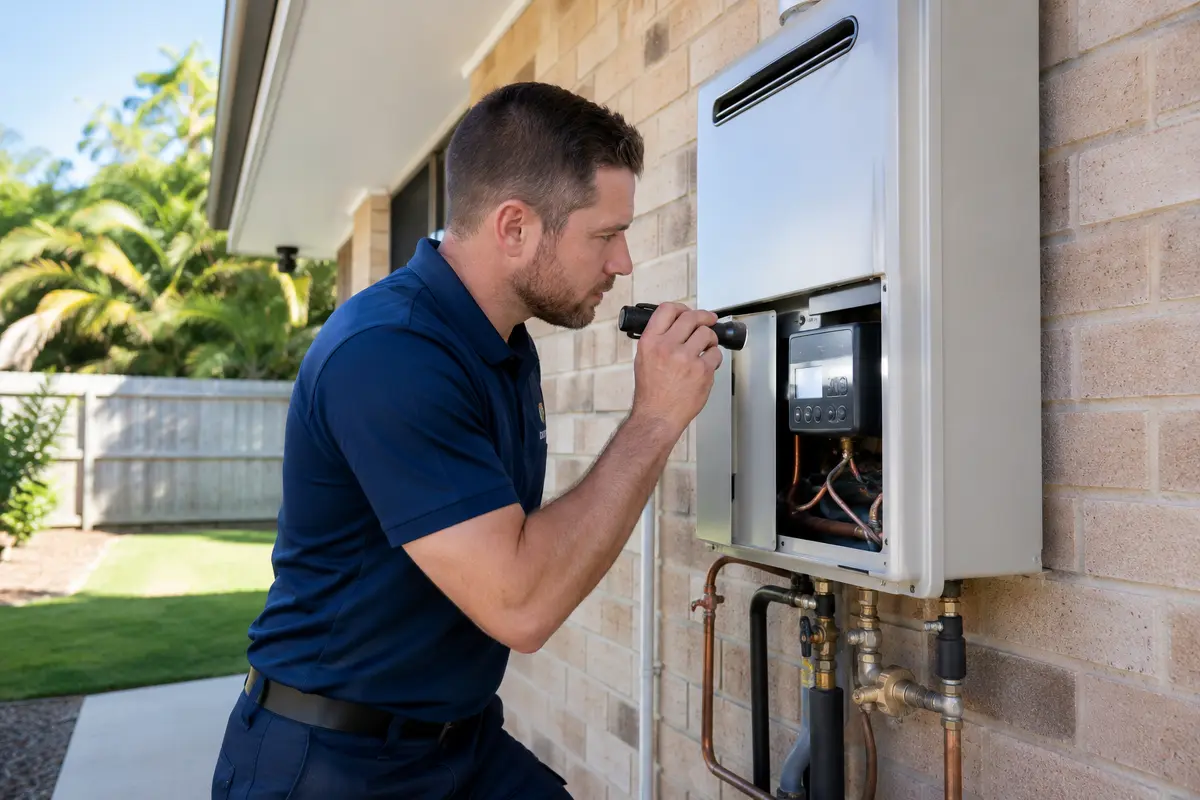
There’s nothing quite like stepping into the shower on a cool Logan morning only to get smacked awake by freezing water. One second you’re half asleep dreaming about your morning coffee, the next you’re performing Olympic-level acrobatics trying to escape an icy spray. If you live in Slacks Creek, you already know how heavily Australian households rely on reliable hot water systems every single day.
The good news? Not every hot water issue means your system is completely cooked. Sometimes the fix is surprisingly simple. Other times, your unit is quietly waving a white flag and asking for professional attention before things get expensive. That’s where understanding the basics can save you stress, money, and a whole lot of cold showers. If you’re looking for reliable Hot Water System Solutions, knowing how to spot the warning signs early is the smartest place to start.
Why Hot Water Systems Suddenly Stop Working
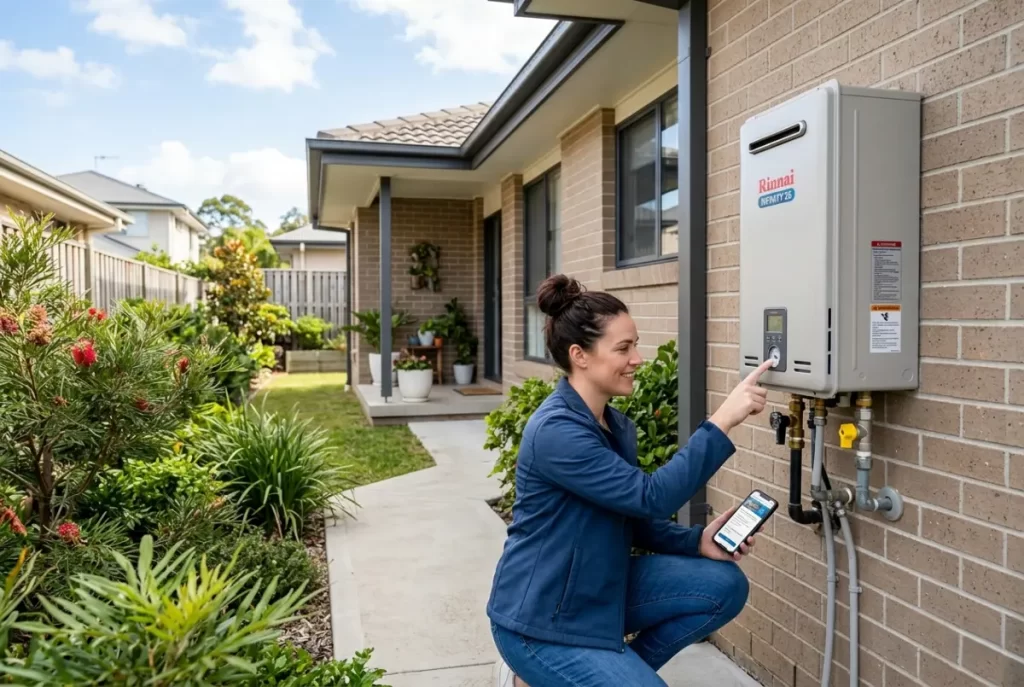
Most hot water systems don’t fail dramatically overnight like a Hollywood explosion scene. In reality, they usually give small warning signs first. Water temperature changes. Strange noises appear. Your energy bill creeps upward. The pressure drops. Then one morning, the hot water simply vanishes.
In Slacks Creek homes, the most common causes include faulty thermostats, broken heating elements, pilot light issues, sediment build-up, electrical faults, and aging tanks. Weather can also play a role, especially for solar hot water repairs after stormy Queensland conditions.
Different systems also fail differently. Gas hot water systems may stop heating if the pilot light goes out or gas flow is interrupted. Electric hot water units often struggle because of damaged heating elements or tripped circuit breakers. Older tanks may even start leaking slowly before total failure happens.
The trick is recognising the difference between a minor inconvenience and a genuine emergency.
First Things to Check Before Calling a Plumber
Before panic-booking an emergency hot water plumber, there are a few practical things you can safely inspect yourself. Think of it like troubleshooting your Wi-Fi before declaring war on the router.
Check Your Power Supply
For electric hot water units, start at your switchboard. A tripped safety switch or blown fuse can instantly stop hot water production. Resetting the breaker may solve the issue immediately.
If the breaker keeps tripping repeatedly, stop there and call a professional. Persistent electrical faults are not DIY territory.
Inspect the Pilot Light
Homes with gas hot water systems should check whether the pilot light is still burning. If it’s gone out, your manufacturer instructions may explain how to relight it safely.
If you smell gas at any stage, avoid touching switches or flames and contact licensed gas fitters Slacks Creek residents trust immediately.
Look for Leaks Around the Tank
A leaking hot water tank is one of the clearest signs something is wrong. Small puddles, rusty water, or moisture around valves can indicate corrosion or pressure problems.
Minor condensation is normal sometimes. Actual pooling water is not.
Check How Much Hot Water Is Being Used
Sometimes the issue is simply demand overload. Young families in Logan can burn through stored hot water surprisingly fast, especially during colder mornings when everyone showers back-to-back like it’s a Formula One pit stop.
If the system recovers later in the day, your tank size may no longer suit your household.
Common Problems With Electric Hot Water Units
Electric systems are popular across Slacks Creek because they’re reliable and relatively simple. But when they fail, the symptoms can be frustratingly inconsistent.
One day the water is lukewarm. The next day it’s scalding. Then suddenly there’s nothing at all.
Here are some common warning signs:
- Water takes too long to heat
- Hot water runs out quickly
- Circuit breaker constantly trips
- Strange humming noises from the tank
- Rust-coloured water from taps
In many cases, the culprit is a failed heating element. Sediment build-up inside the tank can also reduce efficiency dramatically over time, particularly in older units.
A professional local plumber Slacks Creek homeowners rely on can test the system safely and determine whether repairs are worthwhile or if a full hot water system replacement makes more financial sense.
Problems Specific to Gas Hot Water Systems
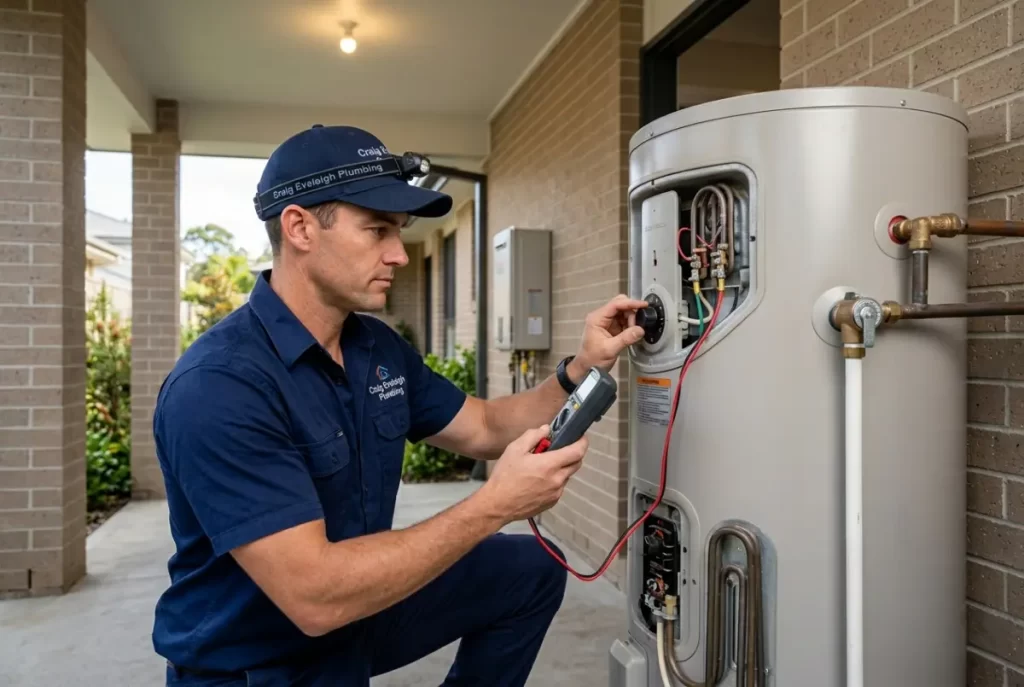
Gas systems tend to heat water faster and often cost less to run, but they come with their own unique quirks. If you notice inconsistent heating or complete loss of hot water, the issue may involve the burner, thermocouple, or gas supply.
One common symptom is water that suddenly turns cold midway through a shower. That’s usually your hot water system sending a pretty aggressive cry for help.
Another red flag is unusual smells or soot marks around the unit. These signs may indicate combustion issues requiring immediate professional inspection.
According to the Australian Government energy advice, maintaining efficient hot water appliances can significantly reduce household energy consumption while improving system performance.
Because gas appliances involve safety risks, repairs should always be handled by licensed gas fitters Slacks Creek residents can trust.
Signs You Need Emergency Hot Water Repairs
Some problems can wait until tomorrow morning. Others absolutely cannot.
If you notice any of the following, contact an emergency hot water plumber immediately:
- Water leaking heavily from the tank
- Burning smells or smoke near the system
- No hot water combined with electrical burning odours
- Gas smells around the unit
- Sudden pressure drops throughout the house
- Loud banging or popping sounds from the tank
Hot water systems operate under both heat and pressure. Ignoring serious warning signs can lead to water damage, electrical hazards, or complete system failure.
And trust me, replacing water-damaged flooring is a lot less fun than organising a repair call early.
When a Repair Isn’t Worth It Anymore
Here’s the honest truth many homeowners avoid hearing: sometimes repairs become more expensive than replacement.
If your system is over 10 to 15 years old, requires constant servicing, or struggles to meet daily demand, a hot water system replacement may actually save money long term.
Modern systems are significantly more energy efficient than older models. Newer gas hot water systems and upgraded electric hot water units often reduce running costs while delivering more consistent temperatures.
There’s also convenience to consider. Nobody wants to live with the daily suspense of wondering whether the shower will behave like a relaxing spa or an Antarctic survival challenge.
A qualified plumber can assess:
| Issue | Repair Recommended | Replacement Recommended |
| Minor thermostat fault | Yes | No |
| Single leaking valve | Yes | No |
| Severe tank corrosion | No | Yes |
| System older than 15 years | Sometimes | Usually |
| Repeated breakdowns | Rarely | Yes |
| Rising energy bills | Sometimes | Often |
Solar Hot Water Repairs and Queensland Weather
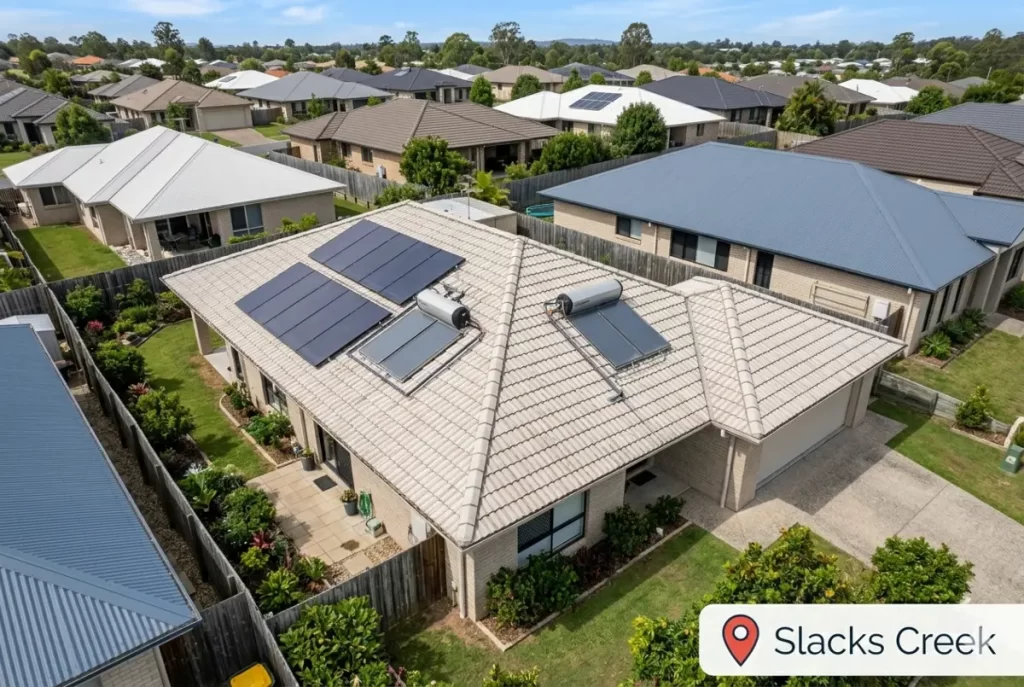
Solar systems are fantastic for reducing energy bills, especially under the Queensland sun. But they aren’t invincible.
Heavy rain, storms, roof debris, and fluctuating temperatures can all affect solar hot water performance. Sometimes the issue isn’t the panels themselves but the booster system supporting them during cloudy periods.
Solar hot water repairs commonly involve circulation pumps, roof sensors, tempering valves, or backup boosters. You may notice water staying lukewarm during overcast days or inconsistent temperatures throughout the week.
Many Slacks Creek homeowners assume their solar unit is broken when it’s actually operating exactly as designed during poor weather conditions. That’s why professional testing matters before replacing expensive components unnecessarily.
Preventative Maintenance That Actually Works
Most hot water troubleshooting becomes easier when the system receives regular maintenance. Think of it like servicing your car. Ignore it for years and eventually something expensive complains loudly.
A professional inspection every few years can help identify early wear before total failure occurs. Simple maintenance tasks can include flushing sediment, checking pressure relief valves, inspecting anodes, and testing thermostats.
Homeowners can also help extend system lifespan by:
- Watching for small leaks early
- Avoiding extreme thermostat settings
- Listening for unusual noises
- Monitoring rising energy bills
- Booking annual inspections for older systems
Small habits genuinely matter. A tiny leak today can become a flooded garage tomorrow.
Choosing the Right Local Plumber in Slacks Creek
Not every plumber specialises in hot water systems, and that distinction matters more than many people realise.
You want someone who understands gas systems, electric systems, solar units, emergency repairs, and local Logan household demands. Experience matters because accurate diagnosis saves time and avoids unnecessary replacement costs.
A reliable local plumber Slacks Creek residents trust should offer transparent communication, proper licensing, emergency support, and practical recommendations rather than sales pressure.
The best plumbers also explain problems in plain English instead of sounding like they’re reading from an engineering textbook written by robots.
How Long Should Hot Water Systems Last?
This is one of the most searched hot water troubleshooting questions in Australia, and the answer depends on the system type, maintenance, and water quality.
Electric hot water units typically last around 10 to 15 years. Gas hot water systems often sit within a similar range, though regular servicing can extend lifespan significantly. Solar systems may last even longer, but individual components sometimes require earlier repairs.
Signs your system is reaching retirement age include inconsistent temperatures, rusty water, rising energy bills, repeated repairs, and visible corrosion.
If your system is approaching that age bracket, proactive replacement may be smarter than waiting for a total breakdown during winter.
Final Thoughts on Hot Water Systems in Slacks Creek
Hot water problems rarely arrive at a convenient time. Whether it’s a faulty thermostat, ageing tank, or sudden system breakdown, understanding the warning signs helps you act faster and avoid expensive surprises. Reliable hot water systems are one of those household essentials you barely think about until they stop working – usually five minutes before work on the coldest morning of the year.
If your system is struggling, leaking, or simply refusing to cooperate, it’s worth getting professional advice before the problem escalates. The team at Craig Eveleigh Plumbing can help diagnose issues quickly, recommend practical solutions, and restore reliable hot water without the stress. To book fast assistance or discuss repairs and replacements, Contact Our Expert Plumbers today.
Frequently Asked Questions
Why does my hot water run out so quickly?
This usually happens because the tank size no longer matches household demand, or internal heating components are failing. Sediment build-up can also reduce storage capacity inside older hot water systems, making it feel like the hot water disappears much faster than it used to.
Can I repair a leaking hot water tank myself?
Small external valve leaks may look harmless, but diagnosing the exact source properly requires professional assessment. A leaking hot water tank can involve pressure problems, corrosion, or structural damage that worsens quickly if ignored.
Are gas hot water systems cheaper to run than electric systems?
In many Australian households, gas hot water systems are cheaper to operate because they heat water faster and more efficiently. However, running costs depend on household usage patterns, local energy prices, and system condition.
How do I know if I need hot water system replacement?
If your system is older than 10 to 15 years, needs constant repairs, produces rusty water, or struggles to maintain temperature, replacement is often the more cost-effective option compared to ongoing repair bills.
What should I do if I suddenly have no hot water?
Start with basic hot water troubleshooting by checking the power supply, pilot light, and visible leaks. If the issue continues or involves gas smells, electrical faults, or water leaks, contact a professional emergency hot water plumber immediately.