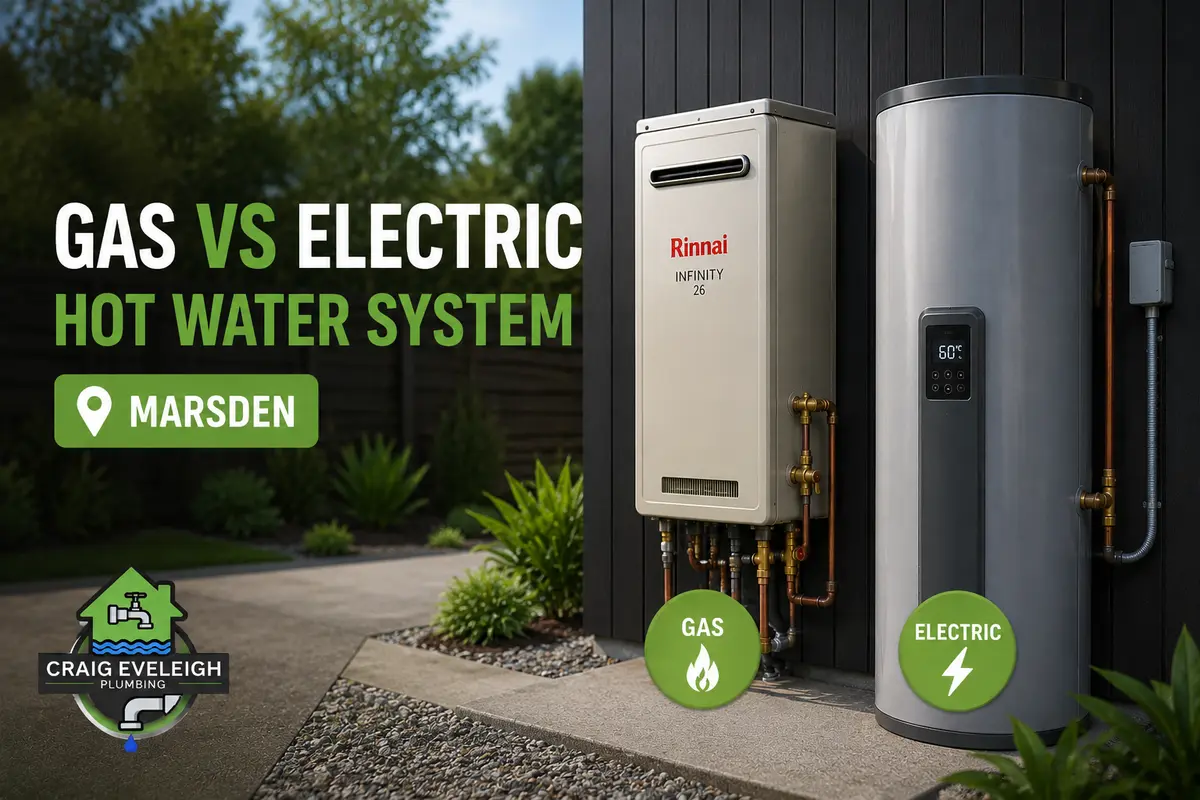
Marsden homeowners know the drill. One minute you’re enjoying a hot shower after work, and the next, the water turns colder than a footy fan’s opinion after a bad season. Choosing between gas and electric Hot Water Systems isn’t just about convenience anymore. It’s about energy bills, lifestyle, reliability, and making sure your morning routine doesn’t feel like survival training.
If you’re building, renovating, or planning a hot water replacement, the decision between gas and electric can feel surprisingly personal. Some households want speed and power. Others want lower running costs or greener options. At Craig Eveleigh Plumbing, we’ve worked on enough Marsden homes to know there’s no one-size-fits-all answer. That’s why understanding your options matters. For homeowners comparing efficiency Hot Water System Solutions, it helps to know how each system behaves in real Australian conditions.
Why Hot Water Systems Matter More in Marsden Homes
Marsden’s weather might not hit alpine levels of cold, but households still rely heavily on consistent hot water every day. Between busy professionals heading to work, gym sessions, laundry cycles, and late-night dishwashing, Hot Water Systems quietly become one of the hardest-working appliances in the house.
Older homes around Logan often still run ageing storage tanks that chew through electricity like an old V8 Ute burning fuel on a long highway drive. Newer families, meanwhile, are leaning toward energy-efficient alternatives like heat pump hot water or solar hot water systems to reduce running costs. The trick is matching the system to your lifestyle instead of simply picking the cheapest unit on the shelf.
A small household with predictable usage might love an electric hot water setup. A larger family with multiple bathrooms may benefit from the stronger recovery rate of gas systems. The right decision usually comes down to daily habits, future plans, and how much hot water your household really uses.
Understanding Electric Hot Water Systems
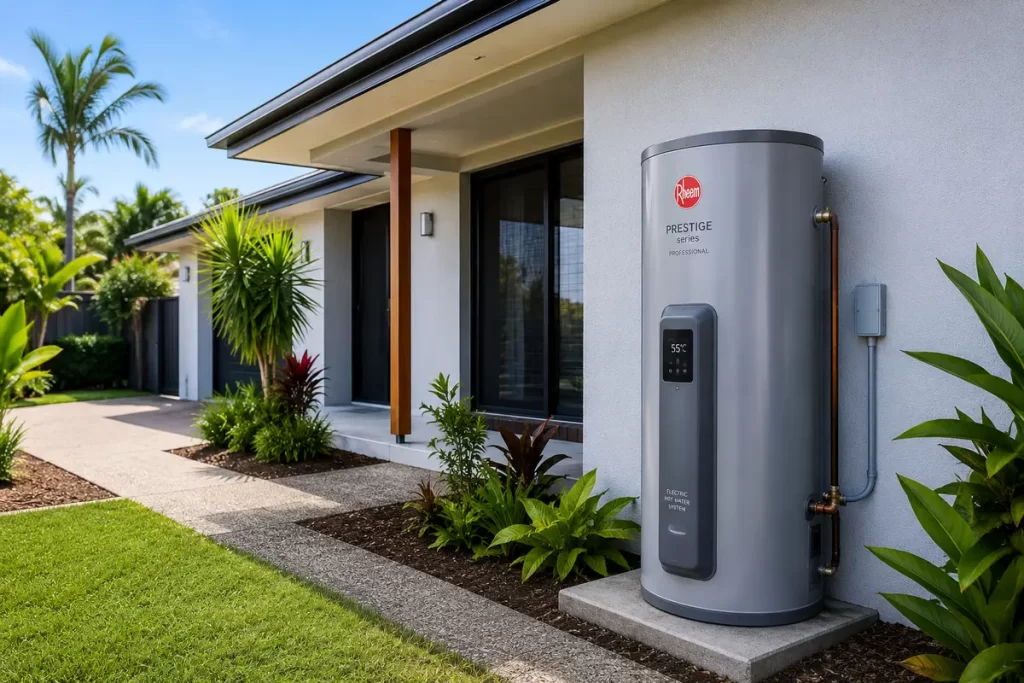
Electric systems are the dependable all-rounders of Australian homes. They’re widely available, relatively simple to install, and often cheaper upfront compared to gas units. Most homes in Marsden already have the electrical infrastructure needed, which makes hot water installation straightforward and less invasive.
Electric storage systems work by heating water inside a tank and keeping it ready for use. It’s practical and reliable, especially for smaller households or properties without gas connections. Modern electric hot water units are also more efficient than older models, especially when paired with off-peak electricity tariffs.
Still, electric systems have their quirks. If several people shower back-to-back, you may eventually run out of hot water. Recovery times can also feel slower compared to gas systems. It’s a bit like waiting for your phone battery to recharge after a massive weekend away. Functional, yes. Instant, not always.
Benefits of Electric Hot Water
- Lower upfront installation costs for many Marsden homes
- Easier replacement when upgrading older electric systems
- Simple servicing and accessible replacement parts
- Compatible with solar power setups
- Quiet operation and compact modern designs
Potential Drawbacks
- Higher electricity bills during peak usage periods
- Slower reheating times compared to gas systems
- Less ideal for large households with heavy hot water demand
Why Many Marsden Families Prefer Gas Hot Water Systems
Gas systems have built a loyal following across Logan for one simple reason: speed. Gas Hot Water Systems heat water quickly and efficiently, making them ideal for larger households where morning showers feel like a competitive sport.
Continuous flow gas systems are especially popular because they heat water only when needed. That means you’re not storing a giant tank of heated water all day. It’s efficient, space-saving, and perfect for families with unpredictable schedules.
One of the biggest advantages is recovery time. Gas units can restore hot water far faster than traditional electric tanks. So if your teenagers treat the shower like a day spa, gas might save your sanity.
However, gas systems do come with considerations. Homes without existing gas lines may face higher setup costs during hot water installation. Gas hot water repairs can also require specialised servicing to ensure safety and compliance.
Running Costs: Gas vs Electric in Real Life
Here’s where the conversation gets interesting. Upfront cost and long-term cost are two very different things.
Electric systems are usually cheaper to buy and install initially. But over time, electricity rates can make running costs climb, especially in larger households. Gas systems often cost more upfront but may save money over the years because natural gas tends to heat water more efficiently.
For young professionals in Marsden, this often becomes a balancing act between short-term affordability and long-term savings. If you plan to stay in your home for years, a more efficient unit may eventually pay for itself through lower bills and reduced hot water maintenance expenses.
A growing number of homeowners are also exploring heat pump hot water systems. These systems use surrounding air to heat water, making them incredibly energy efficient. They cost more initially, but their long-term running costs can be surprisingly low.
Comparing System Types for Different Households
| Household Type | Best Option | Why It Works |
| Single professionals | Electric hot water | Lower upfront cost and manageable usage |
| Couples | Electric or heat pump hot water | Efficient and cost-effective |
| Large families | Gas hot water systems | Faster recovery and continuous supply |
| Eco-conscious homes | Solar hot water | Reduced environmental impact |
| Renovated modern homes | Continuous flow gas | Space-saving and efficient |
Solar and Heat Pump Hot Water: The Smart Hybrid Alternatives
More Marsden homeowners are starting to look beyond the traditional gas-versus-electric debate. Solar hot water and heat pump hot water systems are becoming serious contenders, especially for households focused on energy efficiency and sustainability.
Solar hot water systems use roof-mounted collectors to absorb sunlight and heat water naturally. In sunny Queensland conditions, that can significantly reduce electricity usage. Heat pump systems work differently by extracting warmth from the surrounding air. Think of it as your reverse-cycle air conditioner working in reverse, but for your shower instead of your lounge room.
These systems can reduce long-term bills dramatically, though upfront installation costs are usually higher. Many Australian homeowners also explore rebates and government incentives when upgrading to energy-efficient systems. The Australian Government’s energy efficiency guidance provides useful information for households considering sustainable upgrades.
For many younger homeowners, these systems offer a sweet spot between performance and environmental responsibility. They also align well with homes already using rooftop solar panels.
The Hidden Importance of Tempering Valves
Most homeowners never think about tempering valves until something goes wrong. Yet these little components play a massive role in safety and comfort.
Tempering valves regulate water temperature to help prevent scalding, especially in bathrooms. Australian plumbing regulations require them in many residential installations because excessively hot water can cause injuries surprisingly quickly.
If your shower suddenly swings between freezing and lava-like temperatures, faulty tempering valves could be the culprit. During routine hot water maintenance, plumbers often inspect these valves alongside pressure relief components and pipe connections.
Ignoring them is a bit like ignoring the brakes on your car because the engine still works. Eventually, something unpleasant happens.
Signs Your Hot Water System Needs Attention
Hot Water Systems rarely fail without warning. Most systems throw little clues at you first. The trick is recognising them before you end up with cold showers at 6 am.
Common Warning Signs
- Water taking longer to heat
- Rust-coloured water from taps
- Strange rumbling or popping noises
- Sudden increases in energy bills
- Water pooling around the unit
- Inconsistent water temperatures
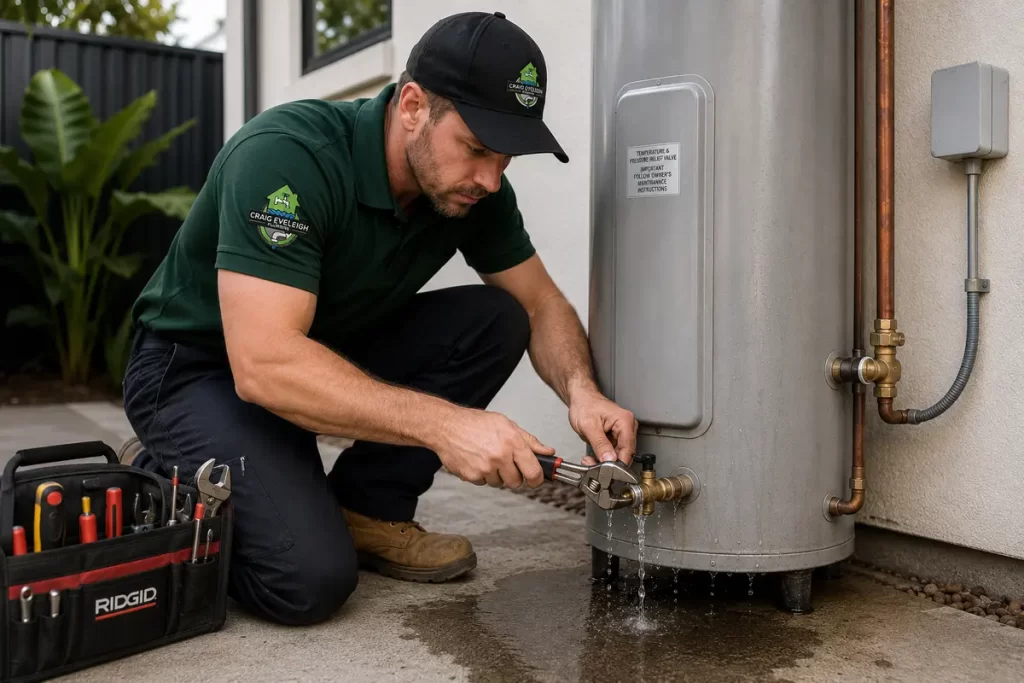
If you notice hot water leaking around the base of the system, don’t ignore it. Small leaks can escalate quickly into major damage. In some cases, emergency hot water service may be needed to prevent flooding or complete system failure.
Older systems requiring constant gas hot water repairs or electrical fixes are often better candidates for full hot water replacement rather than repeated patch jobs.
Which System Works Best for Young Professionals in Marsden?
For younger homeowners and professionals, convenience usually wins. Busy schedules demand reliable hot water without constant maintenance headaches. That’s why continuous flow gas systems and energy-efficient electric models are so popular in newer Logan homes.
If you live alone or as a couple, electric hot water systems can often handle your daily usage comfortably. If you entertain often, share bathrooms, or have a growing family, gas systems usually provide stronger performance under pressure.
Then there’s future planning. Are you likely to stay in the home long-term? Planning solar upgrades later? Interested in reducing environmental impact? Those questions matter just as much as installation cost.
In many cases, the “best” system isn’t the most powerful or expensive one. It’s the one that quietly works every day without turning your utility bill into a horror story.
Professional Installation Makes a Bigger Difference Than Most People Think
Even the best Hot Water Systems can perform poorly if installed incorrectly. Incorrect sizing, poor pipe layout, low water pressure, or improper valve setup can dramatically reduce efficiency and lifespan.
Professional plumbers assess more than just the unit itself. They evaluate household size, water usage habits, energy availability, future renovation plans, and compliance requirements. Proper installation also reduces the risk of ongoing hot water maintenance issues later.
At Craig Eveleigh Plumbing, we regularly see homeowners replacing systems earlier than necessary simply because the original installation wasn’t done properly. A good installation is an investment that quietly pays off every single day.
Conclusion
Choosing between gas and electric Hot Water Systems comes down to how your household lives day to day. Electric systems offer affordability and simplicity, while gas systems provide faster heating and stronger performance for larger families. Solar hot water and heat pump hot water systems add even more flexibility for homeowners wanting long-term efficiency. The right choice depends on your lifestyle, budget, energy goals, and future plans for your Marsden property.
If you’re still weighing up your options or dealing with unreliable hot water at home, the team at Craig Eveleigh Plumbing can help you choose the right system with practical, honest advice. Whether you need installation, maintenance, repairs, or a complete upgrade, Contact Our Expert Plumbers today and get your hot water sorted properly before the next cold shower catches you off guard.
Frequently Asked Questions
Are gas Hot Water Systems cheaper to run than electric systems?
In many larger households, gas Hot Water Systems can be cheaper to run because they heat water more efficiently and recover faster. However, the actual savings depend on energy prices, household usage, and whether your property already has a gas connection.
How long do Hot Water Systems usually last?
Most Hot Water Systems last between 8 and 15 years depending on maintenance, water quality, and usage. Regular servicing and replacing worn components like tempering valves can help extend lifespan significantly.
Is solar hot water worth it in Marsden?
Yes, solar hot water performs well in Queensland due to strong sunlight throughout much of the year. While installation costs are higher upfront, many homeowners see reduced energy bills over time, especially when paired with solar panels.
What causes hot water leaking around the system?
Hot water leaking may result from corrosion, faulty valves, loose fittings, or internal tank damage. Small leaks should always be inspected quickly because they can lead to larger plumbing issues or complete system failure.
When should I replace instead of repair my hot water system?
If your system frequently breaks down, struggles to heat water consistently, or requires repeated gas hot water repairs, a full hot water replacement is often more cost-effective than ongoing repairs.