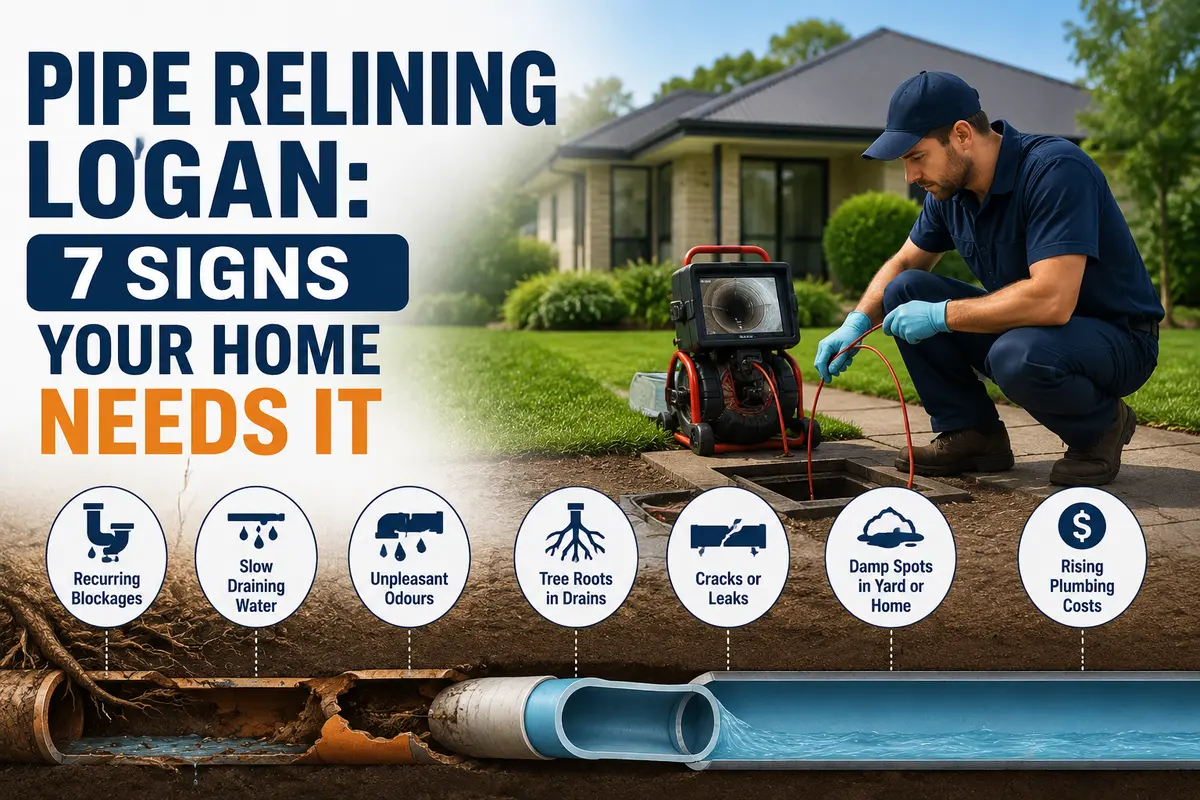
Living in Logan means enjoying leafy suburbs, growing neighbourhoods, and homes that have stood the test of time. But beneath many properties lies a hidden network of ageing pipes that quietly work around the clock. Most homeowners never think about them until something goes wrong, and by then, a simple inconvenience can quickly become an expensive repair.
If you’ve noticed slow drains, damp patches, or recurring plumbing issues, it could be time to look beyond temporary fixes. Many homeowners first search for reliable blocked drain solutions before discovering the real culprit is the condition of their underground pipes. That’s where Pipe Relining has become one of the smartest long-term solutions available. Instead of digging up your driveway, landscaping, or patio, modern relining technology restores damaged pipes from the inside, saving both time and unnecessary disruption.
At Craig Eveleigh Plumbing, we’ve seen how small warning signs can develop into major plumbing emergencies when they’re ignored. Understanding these early indicators can help you avoid costly repairs, protect your property, and keep your home’s drainage system performing exactly as it should.
What Is Pipe Relining and Why Are Logan Homeowners Choosing It?
Pipe Relining is a trenchless plumbing technique used to repair damaged underground pipes without removing or replacing them through excavation. A specially designed liner coated with high-strength resin is inserted into the existing pipe. Once it cures, it forms a durable new pipe inside the old one, creating a seamless and long-lasting repair.
For many Logan properties, especially older homes with established gardens, concrete driveways, retaining walls, or paved outdoor areas, traditional pipe replacement often involves significant excavation. That can mean higher labour costs, landscaping repairs, and days of disruption. Pipe Relining avoids most of these issues by restoring the pipe internally while leaving the surrounding property largely untouched.
The result is a solution that is not only efficient but also built to withstand everyday wear, shifting soil, groundwater movement, and the ongoing demands of household drainage.
Why Underground Pipes Fail Earlier Than Many Homeowners Expect
Many people assume underground pipes should last forever because they’re out of sight. In reality, they’re constantly exposed to conditions that gradually weaken their structure. Soil movement, seasonal weather changes, heavy vehicle loads, ageing materials, and years of normal use all contribute to deterioration.
One of the biggest challenges across Logan is the impact of tree roots in drains. Even the smallest crack or loose joint releases moisture that naturally attracts nearby roots. Once roots enter the pipe, they continue expanding, creating stubborn blockages and placing increasing pressure on already weakened sections.
Other common causes include:
- Natural ageing of older clay, earthenware or metal pipes.
- Ground movement that creates shifting pipe joints.
- Grease, debris and sediment build-up over many years.
- Corrosion that weakens internal pipe walls.
- Repeated plumbing repairs that only treat the symptoms rather than the underlying damage.
Because these problems develop gradually, homeowners often don’t realise the extent of the damage until drainage performance noticeably declines.
1. Your Drains Keep Blocking Even After They’re Cleared
Every homeowner expects the occasional blocked drain. Hair, grease, food waste, soap residue, and everyday debris can all create temporary obstructions that are usually resolved with professional drain cleaning Logan services.
However, when the same sink, shower, toilet, or outdoor drain keeps blocking every few weeks or months, it’s often a sign that something much more serious is happening below the surface.
Repeated blockages frequently point towards structural issues inside the pipe itself. Cracked pipes, misaligned joints, collapsed sections, or invading tree roots create rough internal surfaces where debris repeatedly catches and accumulates. While clearing the blockage restores flow temporarily, the damaged pipe remains unchanged, allowing the problem to return.
This cycle can become frustrating and increasingly expensive as homeowners continue paying for repeated callouts without addressing the actual cause.
Professional plumbers generally recommend investigating recurring blockages using a CCTV drain inspection before deciding on the most suitable repair. High-definition cameras travel through the drainage system, revealing hidden cracks, root intrusion, joint separation, corrosion, and pipe deformation without unnecessary excavation. Rather than relying on guesswork, homeowners receive clear visual evidence of the pipe’s condition, allowing repairs to target the underlying issue instead of simply removing the latest blockage.
When recurring blockages are linked to structural deterioration, Pipe Relining often provides a permanent solution by creating a smooth internal surface that restores proper flow and reduces the likelihood of future obstructions.
2. Slow Draining Water Has Become Your New Normal
Most people notice slow drainage gradually rather than overnight. Water lingers in the shower a little longer than it used to. The kitchen sink empties more slowly after washing dishes. Outdoor drains struggle after heavy rainfall. Because the change happens over time, it’s easy to accept it as normal household ageing.
Unfortunately, slow drainage is often one of the earliest warning signs that underground pipes are deteriorating.
As damaged sections become rougher internally, debris collects more easily and restricts water flow. Root intrusion, mineral build-up, and minor pipe deformation can all reduce the pipe’s internal diameter long before a complete blockage develops.
In many cases, homeowners continue living with reduced drainage performance for months before seeking professional help. By then, the underlying structural damage has often progressed significantly, making early diagnosis particularly valuable.
Rather than waiting until drainage stops completely, experienced plumbers use CCTV drain inspection technology to determine whether the issue can be resolved through cleaning alone or whether Pipe Relining offers a more effective long-term repair. Addressing the problem early often prevents emergency callouts and protects the remainder of the drainage network from further deterioration.
3. Damp Patches, Sinkholes or Unexplained Wet Areas Around Your Property
Your home’s plumbing system shouldn’t announce its presence with soggy lawns or mysterious wet patches. If sections of your garden remain damp even during dry weather, or you’ve noticed soft ground forming near pathways, driveways or garden beds, your underground pipework may be leaking.
Small leaks often start inside damaged underground pipes before gradually escaping into the surrounding soil. Over time, the constant movement of water washes away supporting soil, increasing the risk of subsidence, uneven paving and even minor sinkholes. Left untreated, these issues can affect not only your plumbing but also nearby structures.
In these situations, a professional assessment is essential. If the damage is isolated and the pipe structure remains suitable, Pipe Relining can restore the integrity of the affected section without extensive excavation. For more complex water loss issues affecting underground water lines, Craig Eveleigh Plumbing also provides professional underground leak repair services using advanced diagnostic technology to locate hidden leaks accurately.
4. You Notice Strange Smells Around Drains
A healthy drainage system should move wastewater away efficiently while preventing sewer gases from entering your home. When unpleasant odours begin lingering around sinks, floor wastes or outdoor drains, your plumbing is usually trying to tell you something.
Cracked pipes, separated joints and damaged underground drainage lines can allow sewer gases to escape before wastewater reaches the main sewer connection. In other cases, recurring blockages trap organic material that slowly decomposes inside the pipework, producing persistent foul smells.
Many homeowners attempt to solve the problem using chemical cleaners or air fresheners, but these only mask the symptoms. The real solution lies in identifying what’s happening below ground. A CCTV drain inspection allows plumbers to pinpoint structural defects with precision, making it easier to recommend whether cleaning, localised repairs or Pipe Relining is the most effective long-term option.
5. Tree Roots Keep Coming Back
Large gum trees and established gardens certainly add character to Logan properties, but underground they’re often engaged in an entirely different project—searching relentlessly for moisture.
Tree roots don’t usually break perfectly healthy pipes. Instead, they exploit tiny cracks, ageing joints and small openings already present in older drainage systems. Once inside, they grow rapidly, creating dense root masses that restrict water flow and trap debris.
If you’ve had roots removed several times only to experience the same blockage months later, the underlying structural problem hasn’t been resolved. Clearing the roots simply creates temporary space before they return through the same damaged entry point.
Pipe Relining eliminates these vulnerable openings by forming a continuous internal lining that seals cracks and joints, making it far more difficult for roots to re-enter the system. Combined with ongoing maintenance where appropriate, it offers homeowners a significantly longer-lasting solution than repeated root cutting alone.
Pipe Relining vs Traditional Pipe Replacement
Many homeowners automatically assume damaged pipes must be dug up and replaced. While excavation is still necessary in some situations, modern relining technology has changed how many underground drainage problems are repaired.
| Feature | Pipe Relining | Traditional Pipe Replacement |
| Excavation | Minimal | Extensive |
| Impact on landscaping | Very low | Often significant |
| Driveways and paving | Usually remain intact | May require removal and reinstatement |
| Project duration | Often completed faster | Usually longer |
| Long-term durability | Excellent when suitable | Excellent |
| Property disruption | Minimal | Higher |
The right approach depends on the condition of your existing drainage system. An experienced plumber will inspect the pipe thoroughly before recommending the most appropriate repair option rather than applying a one-size-fits-all solution.
6. Your Home Has Older Underground Plumbing
Older Logan homes often have character that’s difficult to replicate today, but beneath that charm may lie drainage systems installed decades ago using materials that naturally deteriorate over time.
Clay pipes can crack as surrounding soil shifts. Older metal pipes may corrode internally, while ageing joints gradually weaken after years of seasonal movement. Even if your plumbing appears to function reasonably well, hidden deterioration may already be developing beneath the surface.
This is why preventative inspections are becoming increasingly popular among homeowners. Rather than waiting for a complete failure, a CCTV drain inspection provides valuable insight into the condition of your drainage network, allowing problems to be identified before they escalate into emergencies.
If early-stage defects are discovered, Pipe Relining can often restore the affected sections before widespread damage occurs, extending the service life of the existing drainage system while avoiding unnecessary excavation.
Around the midpoint of any major plumbing maintenance plan, it’s also worth reviewing practical homeowner guidance published by the Australian Building Codes Board regarding building performance and plumbing standards. Understanding how modern plumbing systems are expected to perform helps homeowners make informed long-term maintenance decisions.
7. You’ve Already Had Multiple Plumbing Repairs
If you’re beginning to recognise your plumber’s phone number before they even introduce themselves, it may be time to stop treating symptoms and start addressing the underlying cause.
Many homes experience a cycle of recurring issues:
- One blocked drain is cleared.
- Several months later another blockage develops.
- A section of pipe begins leaking.
- Tree roots return.
- Another emergency callout follows.
Each repair solves the immediate problem but doesn’t necessarily improve the overall condition of the ageing drainage network.
Instead of continually investing in temporary fixes, many homeowners choose Pipe Relining as part of a broader long-term maintenance strategy. By strengthening damaged sections internally, relining reduces the likelihood of recurring structural failures while restoring reliable drainage performance.
If your drainage system requires a broader assessment beyond relining alone, Craig Eveleigh Plumbing also provides comprehensive drainage solutions in Logan tailored to residential properties, helping homeowners protect their plumbing investment for years to come.
When Should You Call an Emergency Plumber?
Not every plumbing issue requires immediate emergency attendance, but some warning signs shouldn’t be ignored. If wastewater begins backing up into your home, toilets overflow repeatedly, significant leaks appear unexpectedly, or drainage completely stops, contacting an emergency plumber Logan becomes the safest option.
Quick action can minimise water damage, reduce repair costs and prevent further deterioration of damaged underground pipes. After stabilising the immediate issue, a detailed CCTV drain inspection can determine whether Pipe Relining provides the most suitable long-term repair instead of relying on repeated emergency callouts.
For homeowners planning ahead rather than reacting to emergencies, regular inspections and preventative maintenance remain the most cost-effective approach. Many plumbing problems develop slowly over several years, giving experienced professionals the opportunity to identify concerns before they become major disruptions.
Conclusion
Underground plumbing problems rarely appear overnight. They usually begin with small warning signs such as slow drainage, recurring blockages, unpleasant odours or hidden leaks before developing into more expensive repairs. Recognising these early indicators gives you the opportunity to act before damaged underground pipes affect your home’s structure, landscaping or daily routine. With modern Pipe Relining technology, many drainage problems can now be repaired efficiently without the disruption traditionally associated with excavation, making it a practical long-term solution for many Logan homeowners.
If you’ve noticed any of these warning signs, don’t wait for a plumbing emergency to make the decision for you. The experienced team at Craig Eveleigh Plumbing can inspect your drainage system, explain your options clearly and recommend the most suitable repair for your property. Whether you need a CCTV drain inspection, drain cleaning, underground leak detection or Pipe Relining, contact our Logan plumbing team today to arrange a professional assessment and keep your home’s plumbing performing at its best.
Frequently Asked Questions
Is Pipe Relining better than replacing underground pipes?
Pipe Relining is an excellent option when the existing pipe is structurally suitable for relining. It restores the pipe from the inside without extensive excavation, making it ideal for protecting driveways, gardens and landscaped areas. However, if a pipe has completely collapsed or suffered severe structural failure, traditional replacement may still be necessary. A professional CCTV drain inspection is the best way to determine the right solution.
How long does Pipe Relining last?
When installed correctly by experienced professionals, Pipe Relining can last for decades. The resin liner creates a durable, corrosion-resistant internal pipe that is designed to withstand everyday wastewater flow, shifting ground conditions and root intrusion. It offers homeowners a reliable long-term repair rather than a temporary fix.
Can Pipe Relining fix tree roots in drains?
Yes, provided the roots have first been professionally removed and the pipe remains suitable for relining. Pipe Relining seals cracks and damaged joints that originally allowed tree roots in drains to enter the system, helping prevent recurring root intrusion while restoring smooth water flow.
Will I always need excavation before Pipe Relining?
In most cases, no. One of the biggest advantages of Pipe Relining is that it requires very little excavation. Access is usually gained through existing inspection openings or maintenance points, allowing plumbers to repair damaged underground pipes while leaving driveways, gardens and outdoor areas largely undisturbed.
How do I know if my home needs Pipe Relining?
Recurring blocked drains Logan homeowners experience, unpleasant drain odours, slow drainage, damp patches, repeated repairs, or evidence of cracked pipes can all indicate that Pipe Relining may be the most effective solution. A CCTV drain inspection provides a clear picture of your underground drainage system and allows a qualified plumber to recommend the most appropriate repair.