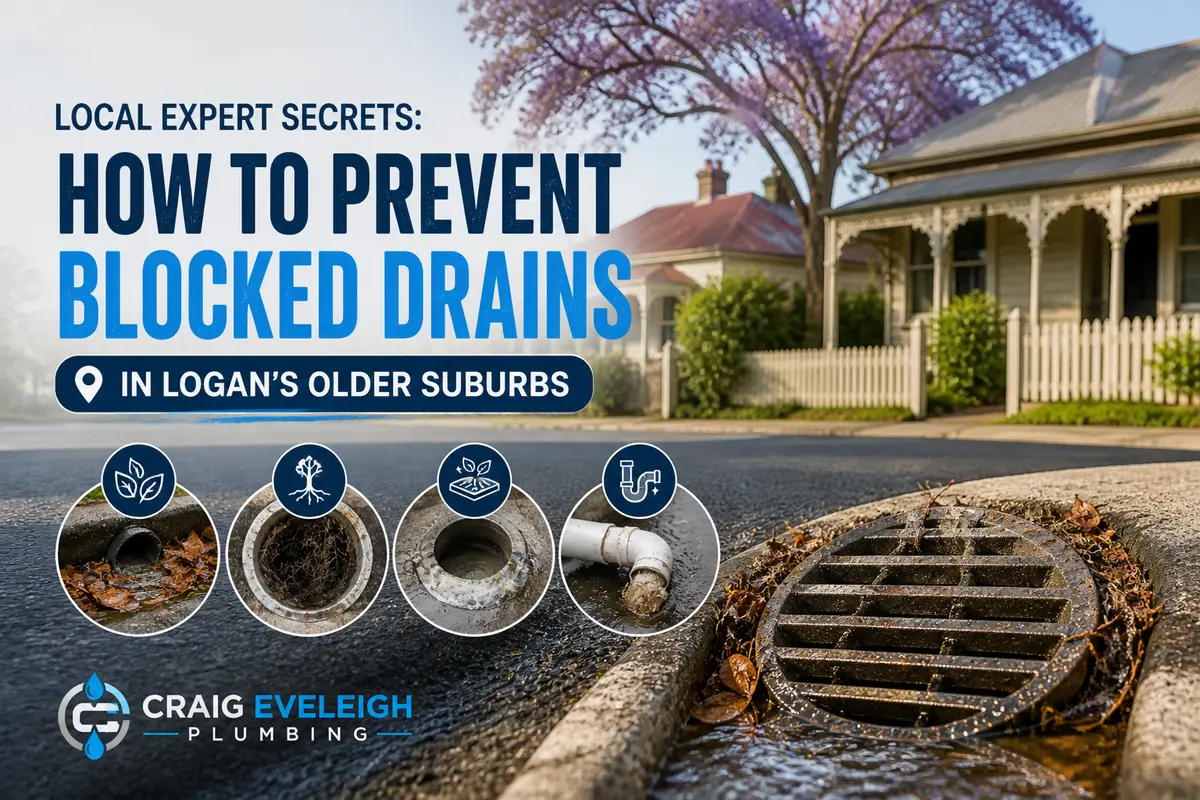
There’s a certain point in Logan’s older suburbs where charm and reality start to clash. Timber homes age well, yards stretch wide, trees grow tall, and underneath it all, pipes quietly struggle. That’s where Blocked Drains creep into the picture.
Most properties built decades ago weren’t designed for the way water is used now. Dishwashers, multiple bathrooms, outdoor plumbing, and everything add pressure. Over time, those older systems begin to show strain, and that’s when Blocked Drains become more than just an inconvenience. They become recurring disruptions that eat up time, money, and patience.
The reality on the ground feels different from textbook advice. Plenty of homes look perfectly fine from the outside, yet inside the pipes, there’s a build-up of years in the making. Understanding that gap between surface and system helps explain why Blocked Drains are such a common issue across Logan’s older suburbs.
Why do older Logan pipes clog more often now?
Older pipe systems weren’t designed for modern usage levels. Back in the day, water consumption was lower, waste types were simpler, and plumbing layouts were basic. Fast forward to now, and those same pipes are dealing with heavier loads, more chemicals, and materials they were never meant to handle. That mismatch alone creates a steady rise in blocked drains.
There’s also the material factor. Clay pipes, which are common in older Logan homes, tend to crack over time. Even a hairline fracture becomes an entry point for tree roots or soil. Once roots get in, they don’t just sit quietly. They expand, trap debris, and slowly choke the flow. Many drainage & blockage issues traced in the field start with something that small.
Another overlooked problem is pipe alignment. Ground movements, especially in areas with reactive soil, can shift pipes slightly. It doesn’t take much. Even a minor dip can create a low point where waste collects. Over months or years, that collection turns into stubborn blocked drains that no simple flush will fix.
Common homeowner habits are worsening drainage issues
Most drainage issues aren’t about one big disaster; they’re usually the result of tiny, everyday habits. Tipping cooking oil down the sink is easy at the time, but once it hits the cold pipes, it turns into glue. That sticky layer just gets thicker over time, catching every bit of debris that floats past.
Bathrooms are another trouble zone. Hair, soap residue, and personal care products combine into a dense sludge that clings to pipes. It doesn’t block immediately, which is why people underestimate it, but needing Emergency Plumbing Services becomes inevitable after months of build-up when the flow narrows and blocked drains start forming without much warning.
There’s also the over-reliance on quick fixes. Chemical cleaners are popular because they promise fast results. But in older plumbing systems, they often do more harm than good. Repeated use weakens pipe materials, especially older ones. That leads to cracks, leaks, and eventually bigger drainage & blockage issues that cost far more to fix.
Subtle warning signs before pipes fully block up
Blocked drains rarely appear out of nowhere. There are signs, but they’re easy to brush off. A slow-draining sink is often the first clue. It doesn’t seem urgent, so it gets ignored. But that sluggish flow usually means something is already forming deeper in the system.
Gurgling noises are another sign that often gets overlooked. Pipes aren’t supposed to talk back. That bubbling sound usually means air is trapped due to a developing blockage. It’s the system struggling to breathe. Many homeowners only take it seriously once the noise becomes constant.
Then there’s the smell. Not always strong at first, just a faint, unpleasant odour near drains. That’s often caused by trapped waste starting to break down. It’s one of the clearest early indicators of blocked drains, yet it’s also one of the most commonly ignored signs during routine inspections.
Blocked Drains and tree root invasion issues
Tree roots are probably the most underestimated cause of blocked drains in Logan’s older suburbs. Mature trees look great above ground, but below the surface, their root systems are aggressive. They naturally seek out moisture, and even the smallest crack in a pipe becomes an invitation.
Once inside, roots don’t just block the pipe; they reshape it. They grow thicker, trap debris, and create a dense obstruction that worsens over time. Clearing the roots isn’t always enough either. If the pipe structure is already damaged, the problem tends to come back within months.
Some homeowners try temporary fixes like cutting roots or flushing them out. That can work short-term, but it’s rarely a permanent plumbing solution. Long-term drainage solutions often involve pipe relining or replacement, which sounds costly, but ignoring the issue usually ends up costing more in repeated repairs.
Kitchen waste habits that quietly damage pipes
Kitchens are ground zero for many blocked drains. It’s not just grease; it’s everything from food scraps to coffee grounds. Even when washed down with water, these materials don’t dissolve. They settle, stick, and accumulate slowly along the pipe walls.
One pattern often seen in older homes is the rinse-and-forget habit. Plates get rinsed quickly, and whatever goes down the sink is assumed to disappear, but ignoring sewage overflow risks and prevention measures allows that waste to build layers inside the pipes over time. It’s like cholesterol in arteries, gradual but dangerous.
It’s a bit of a shock, but your dish soap might actually be making things worse. Some detergents react with fats to create a sticky gunk instead of washing it away. That residue just sits there, acting like a magnet for more build-up and eventually causing blocked drains.
Prevention vs Repair Costs
| Situation | Average Cost (AUD) | Effort Level | Risk Level |
| Regular drain cleaning | $100–$250 | Low | Low |
| Minor blockage removal | $150–$400 | Medium | Medium |
| Emergency plumber call-out | $300–$800+ | High | High |
| Pipe replacement | $1000–$5000+ | Very High | Very High |
Outdoor drainage problems most people overlook
Outdoor drains are classic out of sight, out of mind territory, but they’re a huge part of the system. Leaves and dirt pile up in there, especially when the seasons shift. If you aren’t cleaning them out, they eventually turn into major choke points.
Stormwater systems in older suburbs weren’t built for current rainfall patterns. Heavy downpours can overwhelm them, causing water to back up. When that happens, any existing partial blockage becomes a full blockage almost instantly.
Another issue is garden design. Poor landscaping can direct water toward the house instead of away from it. That excess water puts pressure on drainage systems, increasing the likelihood of blocked drains. It’s a small design flaw that can have big consequences over time.
When DIY fixes make drainage issues worse
DIY tricks like plungers or store-bought chemicals feel like a quick win, and they can clear a minor clog. But more often than not, they’re just a band-aid on a bigger problem, leaving the real issue buried deep in your pipes.
There’s also the very real risk that you’ll just shove the clog further down the line. That makes it way harder to reach and much more expensive to fix later. A simple fix can quickly spiral into a job that needs a pro and some serious gear.
A common mistake is assuming that if water flows again, the problem is solved. In reality, partial blockages remain, and they tend to come back stronger. That cycle of temporary fixes often leads to recurring blocked drains that become more stubborn each time.
Professional tools used to clear tough blockages
Plumbing tech has evolved, especially for blocked drains. One of the best bits of kit is the CCTV inspection. It lets a plumber see exactly what’s going on inside the pipe without having to dig up your yard. That kind of precision is a total game-changer for finding the real problem.
High-pressure water jetting is another game-changer. Instead of just poking a hole through the blockage, it clears the entire pipe wall. That removes buildup completely, reducing the chances of immediate recurrence.
People often get the wrong idea about pipe relining. It sounds like a big deal, but it’s actually way less messy than digging up and replacing pipes. A new lining goes inside the old one, sealing up cracks and stopping roots from getting in. It’s one of the most solid drainage solutions we have right now.
Smart Habits That Keep Drains Clear Long-Term
Everyday habits that work:
- Avoid pouring grease down sinks
- Run hot water after each use
- Schedule yearly inspections
- Install strainers in all drains
These simple actions significantly reduce the chances of dealing with blocked drains again.
Costs involved in ignoring drain maintenance early
Ignoring a slow drain will lead to a massive bill later on. A tiny clog is a cheap fix, but if you wait until you have pipe damage or a sewer backup, the costs blow out fast. Honestly, an emergency plumber callout is always going to hurt your wallet way more than a bit of routine maintenance would have.
You also have to think about the hidden costs, like water damage wrecking your floors, walls, or even the frame of your house. At that point, you aren’t just paying for a plumber; you’re paying for a full-scale restoration, which is a whole different level of expensive.
Slow drains are more than just annoying; they mess with your day, waste water, and can even tank your home’s value. Most buyers will run a mile if they see a history of blocked drains or plumbing dramas.
Balancing modern plumbing with aging infrastructure
Modern drainage solutions are incredibly efficient, but trying to fit them into an older house can be a bit of a puzzle. You have to adapt new tech to old layouts, and you never really know what you’re going to find once you start.
You usually get what you pay for when it comes to pipes. A quick patch-up is cheap today, but it probably won’t hold. Investing in a proper upgrade costs more now, but it means you won’t have to think about your plumbing for a long, long time.
In older houses, your gas plumbing often sits right next to your drains. If you’re doing major work, you have to keep both in mind. Ignoring that connection is a safety risk and a great way to end up with even higher repair bills.
Conclusion
Blocked drains do more than just stop water; they mess up your routine and stress you out. If you’ve got an older place in Logan, being proactive with regular checks is the only way to stop a disaster before it starts.
A Professional Floor Cleaner delivers more than just a clean look; it improves hygiene, extends lifespan, and protects your investment. For long-term results and fewer repair costs, contact us today and let experts restore and maintain your floors properly.
Frequently Asked Questions
1. What causes blocked drains in older Logan homes?
Blocked drains often result from ageing pipes, tree root intrusion, grease buildup, and poor drainage design. Older systems struggle with modern usage, leading to frequent drainage & blockages.
2. How often should drains be cleaned to avoid blockages?
Most homes are fine with a once-a-year professional clean. But if you have a big family or your pipes are prone to blocked drains, a six-month reset is a smart move to keep your drainage solutions working.
3. Can DIY methods fix blocked drains permanently?
A plunger is great for the small stuff, but it’s rarely going to fix a deep clog. If the problem keeps coming back, you need a proper plumbing solution to actually clear the whole system out.
4. Are tree roots a common cause of drainage problems?
Yes, tree roots are a major cause of blocked drains in Logan. They enter cracked pipes and expand, causing serious drainage & blockages over time.
5. When should an emergency plumber be called?
You need an emergency plumber the second water starts backing up or overflowing. When multiple drains fail at once, you’ve got to act fast to stop the damage before the repair bill gets out of control.
6. Do older pipes need replacement to prevent blockages?
Honestly, if your pipes are ancient or really damaged, replacement is often the only way to go. It’s the only way to stop the cycle of blocked drains and give you a permanent drainage solution.