
A healthy backyard filled with beautiful trees can completely change the look of a Logan property. Shade during hot Queensland summers, improved street appeal, and a greener outdoor space all sound like wins. Yet beneath the surface, an entirely different story can unfold.
Many homeowners are surprised to discover that the very trees making a property look attractive are often responsible for some of the most stubborn Blocked Drains found across Logan. What begins as a slow-draining sink or an occasional gurgling toilet can quickly turn into a major underground problem that requires urgent attention.
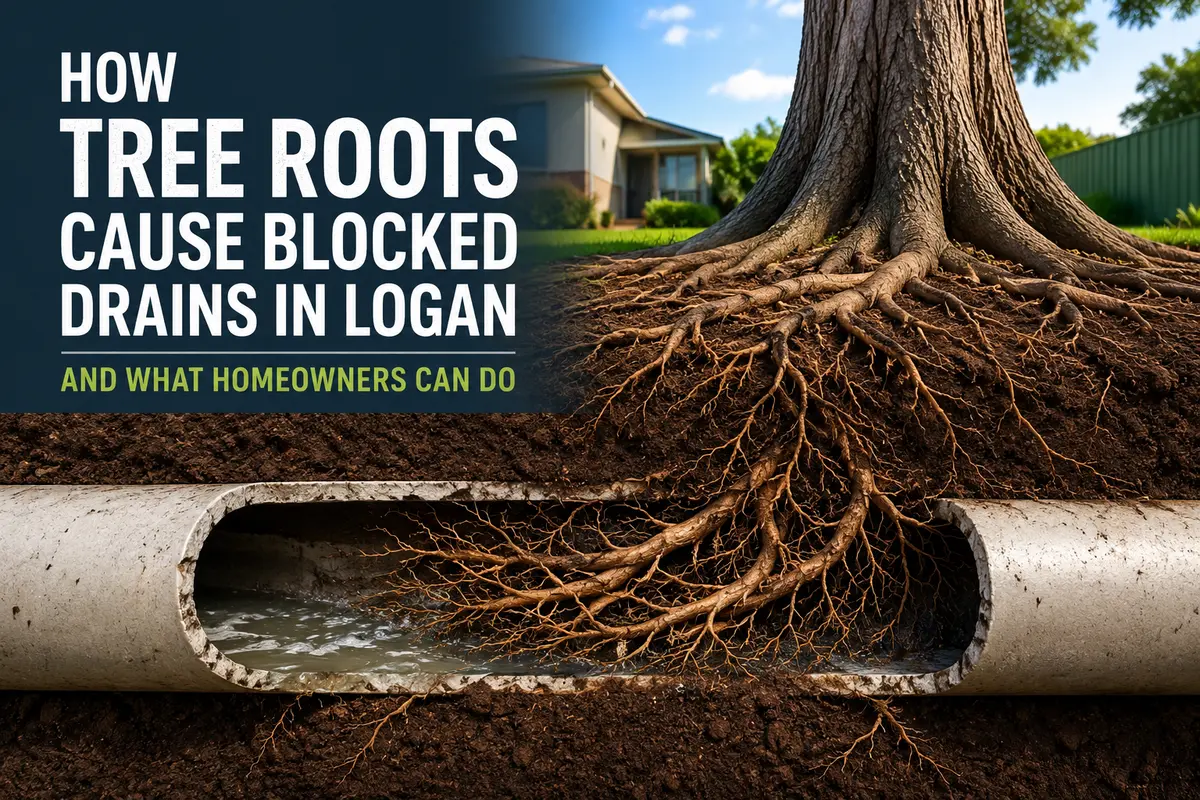
Tree roots naturally search for moisture. Unfortunately, underground sewer and stormwater pipes provide exactly what roots need to survive. Once roots find even the smallest crack or pipe joint, they begin their invasion. Over time, the roots expand, trap debris, restrict water flow, and eventually create severe Blocked Drains that disrupt everyday life.
One tiny crack in a pipe can become an open invitation for roots searching for moisture. Over time, those roots grow, spread, and create serious Blocked Drains. What begins as a slow-flowing sink can eventually turn into overflowing wastewater, expensive repairs, and major disruption.
Why Mature Trees Often Target Drainage Networks
Many homeowners assume that roots aggressively attack pipes. Field experience tells a slightly different story. Roots are not searching for pipes specifically; they are searching for water and nutrients. Underground drain blockage systems simply provide both. Even a tiny leak can attract root growth from several metres away.
Older suburbs around Logan often contain mature trees planted decades before modern drainage layouts were considered. Over time, roots spread extensively beneath driveways, lawns, retaining walls, and utility corridors.
Once moisture escapes from a pipe joint or crack, the root system naturally follows the source. The result is often gradual pipe infiltration that eventually leads to Blocked Drains and reduced drainage performance.
A common mistake is assuming that removing a visible tree solves everything. In practice, established root systems can remain active underground long after tree removal. Some species continue sending shoots and roots toward moisture sources. Property owners are frequently surprised when recurring Blocked Drains continue despite the tree no longer being present above ground.
Early Warning Signs Hidden Beneath the Surface
The earliest signs of a sewer pipe root intrusion rarely look dramatic. A sink drains slightly slower than normal. A toilet occasionally bubbles after flushing. Water may sit in an outdoor drain longer after heavy rain. These subtle indicators are easy to dismiss, particularly in busy households where nobody pays close attention to drainage performance.
Experienced plumbers often hear homeowners say the issue appeared suddenly. After inspection, evidence usually suggests the problem had been developing for months or even years. Root masses tend to collect grease, paper, soap residue, and sediment.
The restriction grows slowly until the pipe reaches a tipping point. At that stage, Blocked Drains appear to emerge overnight even though the underlying cause has been present for a long period.
Another overlooked sign involves unusual lawn growth. Sections of grass directly above damaged pipes sometimes appear greener and healthier because leaking wastewater enriches the surrounding soil. While that might seem beneficial initially, it often points toward underground pipe damage that can eventually contribute to severe Blocked Drains and costly excavation work.
How Small Pipe Defects Become Major Root Entry
Most drainage systems do not fail because roots smash through solid pipe walls. The reality is usually far less dramatic, as outlined in our Sewerage Blockage Prevention Guide, where a sewer pipe root intrusion typically starts when tiny defects create opportunities.
A hairline crack, a slightly displaced joint, or minor age-related deterioration provides enough space for fine root strands to enter. Once a root breaks through into the inside of a pipe, it hits the absolute jackpot. The endless moisture, steady stream of organic nutrients, and sheltered environment cause it to grow like wildfire.
What started out as a tiny, hair-thin strand quickly bunches up into a thick, matted sponge that catches toilet paper and waste. This is exactly why chronic Blocked Drains keep getting worse and worse, no matter how many times you try to clear them with a plunger.
Pipe material also plays a role. Older clay systems are particularly vulnerable because joints may shift over decades of ground movement. Concrete pipes can crack. Even some modern systems experience failures due to poor installation practices. Homeowners sometimes focus entirely on removing roots while overlooking the structural issue that allowed entry in the first place. That approach often leads directly back to recurring Blocked Drains within a relatively short period.
Understanding Blocked Drains From Root Intrusion
One of the biggest misconceptions is that every blockage behaves the same way. Root-related Blocked Drains tend to develop differently from blockages caused by grease, foreign objects, or collapsed pipes. The symptoms can fluctuate. Drainage may seem acceptable one week and problematic the next.
The time of year plays a massive part in how your drains behave. When the weather gets wet, tree roots go through massive growth spurts. On top of that, heavy downpours will wash extra leaves and dirt down into lines that are already halfway blocked. A drainage system that just manages to scrape by on a normal day will completely fail during a big storm, meaning you’ll need professional drainage repair services, which often confuse owners because the problem seems to come and go.
Field inspections regularly reveal root masses occupying only part of a pipe diameter. Water continues flowing through the remaining opening until accumulated waste narrows the passage further. At that stage, Blocked Drains become increasingly frequent. Temporary clearing may restore function briefly, but the underlying root structure remains ready to capture more debris and recreate the problem.
Modern Camera Surveys Reveal Hidden Damage Fast
Drainage diagnostics have changed dramatically over the past decade. Camera inspections now allow plumbers to observe internal pipe conditions, such as cracked drain pipes, with remarkable accuracy. Rather than guessing where a blockage exists, technicians can identify precise locations, root density, and structural defects.
Many homeowners are surprised by inspection findings. The location where symptoms appear is not always where the actual problem exists. A toilet may overflow inside the house while the root intrusion sits twenty metres away near the property boundary. Without visual confirmation, repair efforts can become inefficient and unnecessarily expensive.
Camera technology also helps avoid one of the most common mistakes associated with Blocked Drains. Some property owners repeatedly pay for basic clearing services without investigating the root cause. A proper inspection often reveals whether the issue involves roots, pipe collapse, joint displacement, or multiple contributing factors. That information significantly improves long-term decision-making and reduces wasted maintenance spending.
Repair Choices Depend on Pipe Condition Levels
There is no single plumbing fix that works for every single house. Some blockages caused by tree roots in drains disappear completely after a solid mechanical cut and flush. Others reveal old, rotting earthenware pipes underneath that need actual physical replacement.
The right path forward depends entirely on the structural state of the pipe itself, not just how badly it happens to be clogged today. Homeowners sometimes chase the cheapest option available, especially when a drainage system begins working again after cleaning.
Unfortunately, restored flow does not necessarily mean the pipe is healthy. If significant cracks remain, roots often return. Repeated callouts for recurring Blocked Drains can ultimately cost more than addressing the underlying damage earlier.
No-dig technology has completely changed how we fix old pipes, offering some of the most effective professional blocked drain solutions in Logan. Techniques like pipe relining can fix a broken line from the inside without tearing up your driveway. That said, relining isn’t a magic fix for everything; if a section of pipe has completely collapsed or flattened out, you still have to dig it up.
Common Signs of Tree Root Blocked Drains
Many drainage issues start quietly.
Several warning signs often indicate developing tree root blocked drains before a complete blockage occurs.
Signs to watch for:
- Slow-draining sinks
- Water pooling around outdoor drains
- Gurgling noises from pipes
- Bad smells near drains
- Frequent toilet backups
- Overflowing inspection points
- Wet patches in the yard
- Repeated plumbing callouts
Long-term costs often exceed initial repairs
Most plumbing jobs get expensive simply because people put them off for too long, not because the fix itself is overly complicated. Catching a tiny root strand early with a prompt blocked drain repair Logan service might just require a quick flush and a simple patch.
If you let it sit, that exact same issue will eventually shatter the entire pipe, ruin your landscaping, and leave you stuck with emergency weekend plumbing bills. Landlords deal with this headache all the time. A tenant might mention that a drain is a bit slow, but it feels like something that can wait.
Fast forward a few months, and suddenly raw sewage is bubbling up through the shower floor, leading to panicked after-hours call-out fees, ruined carpets, and incredibly angry tenants. What should have been a quick, simple clean-out becomes a massive financial nightmare. This is exactly how most chronic cases of Blocked Drains play out.
There is also a hidden structural cost to consider. Cracked or broken lines let dirty water seep into the surrounding ground, which can eventually destabilise foundations and wash away soil. While it is easy to just focus on the sink that won’t drain, letting things slide slowly damages your property value and sets you up for a massive future budget blowout. Turning a blind eye to repeat Blocked Drains never saves you money in the long run.
Preventative Maintenance Reduces Future Disruption Risks
Preventive maintenance lacks the excitement of emergency repairs, yet it consistently produces better outcomes. Scheduled inspections allow problems to be identified before major failures occur, highlighting the common causes of recurring blocked drains before they escalate. This approach is particularly valuable for properties containing mature trees near known drainage corridors.
Some homeowners receive advice suggesting all nearby trees should be removed. Practical experience indicates the situation is rarely that simple. Trees provide shade, visual appeal, and environmental benefits. In many cases, strategic root management and professional drain cleaning Logan, combined with drainage maintenance, deliver a more balanced solution than widespread tree removal.
Staying on top of routine clearing, booking regular camera checks, and acting the second a drain gurgles drastically cuts down the chances of dealing with nasty Blocked Drains. While no pipe is 100% immune to stubborn roots, staying proactive minimizes household disruption, lowers your plumbing bills over time, and adds decades to your lines. Homes that get regular check-ups simply face fewer midnight emergencies.
Common Consequences
| Issue | Impact |
| Slow drainage | Water takes longer to leave sinks and showers |
| Sewer backups | Wastewater returns into the property |
| Pipe damage | Roots expand cracks and joints |
| Foul smells | Trapped waste creates odours |
| Expensive repairs | Larger damage increases repair costs |
Why Professional Assessment Beats Guesswork Every Time
Drainage systems are largely invisible, which encourages assumptions. Homeowners often diagnose problems based on symptoms alone, missing out on practical tips to prevent blocked drains. Unfortunately, similar symptoms can originate from very different causes. Slow drainage might involve roots, grease accumulation, pipe collapse, incorrect grading, or a combination of issues.
Good plumbers develop a real feel for local pipe layouts, but even the most seasoned pros rely on real camera data to pinpoint residential blocked drains before telling you to dig up a yard. Guessing gets incredibly expensive if a bobcat starts digging up the wrong patch of lawn or you pay to replace perfectly fine pipes.
The biggest takeaway from years of clearing out Blocked Drains is that the first obvious answer rarely tells the whole story. A root problem is almost always tied to bigger factors like how old the pipes are, shifting clay soils, rushed installations, or years of skipped maintenance. Realizing this helps you make better choices, stops the problem from coming right back, and protects your yard’s infrastructure down the track.
Conclusion
Tree roots are remarkably persistent. Once moisture is detected, roots can travel surprising distances to reach underground pipes. What starts as a minor intrusion can quickly develop into serious Blocked Drains, costly repairs, and ongoing drainage issues.
Spotting problems early using advanced drain camera inspection Logan services, paired with heavy-duty line clearing and reliable drain jetting services Logan, and expert trade repairs, stops structural damage in its tracks and gets your plumbing flowing perfectly again.
If your sinks are draining slowly, backing up constantly, or you think roots have broken into your lines, jumping on it fast makes a world of difference. Get a quote today and schedule a blocked drain inspection today before a tiny blockage snowballs into a massive, expensive emergency. Give us a call today to run through custom solutions for your home or business pipes anywhere in Logan.
Frequently Asked Questions
1. How do tree roots find underground pipes?
Tree roots are hardwired to track down water and nutrients. Even a tiny, invisible weep from an older joint releases enough dampness into the surrounding soil to attract local trees, a hidden issue that a professional CCTV drain inspection can easily locate. Once those hair-like roots find that steady water supply, they will slowly crawl toward it and squeeze through the tiniest seam or crack in the pipe.
2. Are Blocked Drains always caused by tree roots?
No. Even though invasive roots are a massive cause of Blocked Drains, plenty of other issues look exactly the same on the surface. Thick cooking grease, flushed wet wipes, squashed pipes, building waste, or just bad plumbing workmanship from day one will all choke your water flow and ruin your drainage.
3. Can drain cleaners remove tree roots effectively?
Standard chemical drain clearers from the supermarket won’t do a thing to kill off thick, established tree roots. They might eat through a bit of hair to get the water moving temporarily, but the main root mass stays right there inside the line. You really need professional mechanical cutters and high-pressure blasting to properly clear them out.
4. Is pipe relining better than pipe replacement?
The answer depends on the pipe condition. Relining can be an excellent solution when the existing structure remains stable after a thorough tree root removal from pipes. Severely damaged or collapsed sections may require replacement. A detailed inspection helps determine which approach offers the best long-term outcome.
5. How often should drainage systems be inspected?
If your yard has big, mature trees, it is a smart move to book a plumbing check-up every year or two. Properties that have a bad history of Blocked Drains will obviously need a closer eye kept on them. Catching these root issues early is easily the best way to keep your repair bills down and avoid a sudden, messy backup.
6. Can cutting down a tree stop root intrusion permanently?
Not exactly. Cutting down a tree doesn’t mean the existing underground roots die off immediately; they can stay active for quite a while. Plus, if the pipe itself is already cracked, it will keep drawing in thirsty roots from any other plants nearby. Getting rid of a tree without fixing the actual pipe damage almost never solves your drainage issues for good.