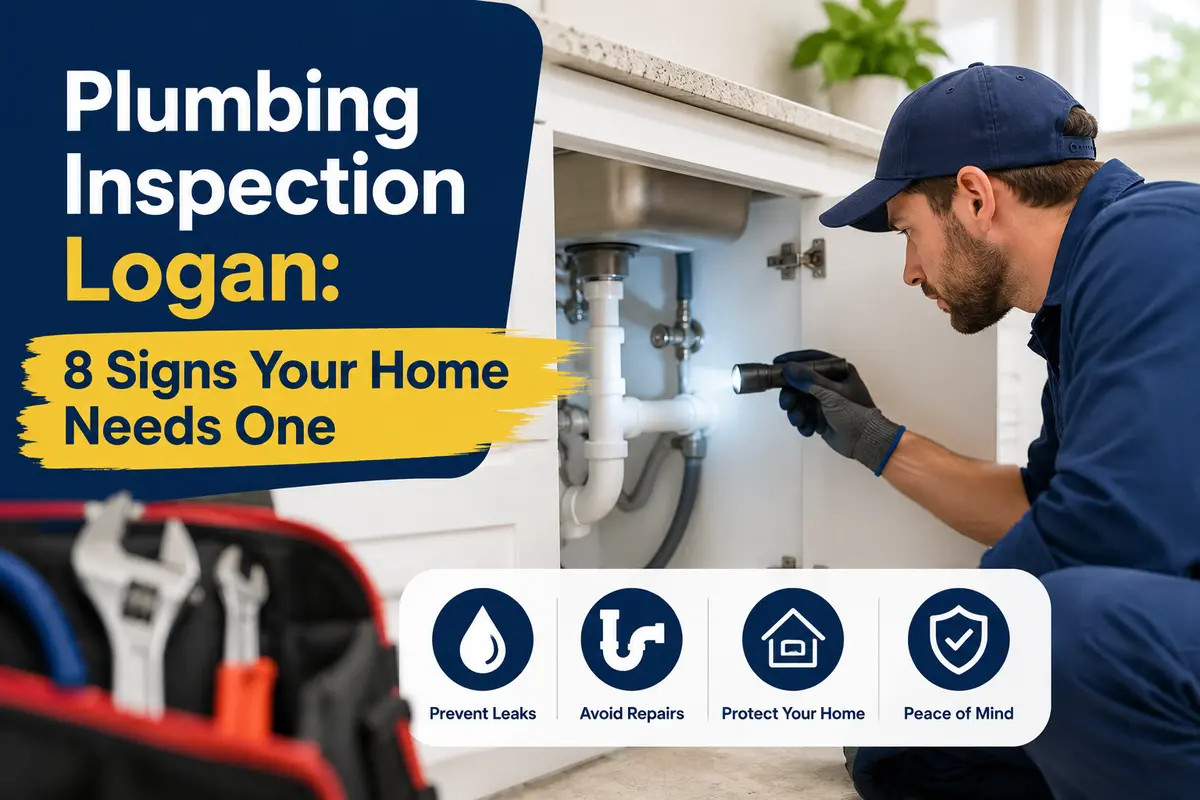
Imagine waking up to a soaked hallway because a pipe hidden behind the wall finally gave up overnight. It’s the sort of surprise no Logan homeowner wants, yet it happens more often than you’d think. Plumbing problems rarely arrive with a dramatic warning. They usually whisper first- a slightly higher water bill, a dripping tap you keep meaning to fix, or a drain that empties just a little slower each week. That’s exactly why a regular Plumbing Inspection matters. It helps uncover small issues before they become expensive emergencies.
Many homeowners only call a plumber when something breaks. I get it- life is busy, and plumbing isn’t exactly dinner-table conversation. But if you’ve already noticed some blocked drain warning signs , your home could be telling you it’s time for a closer look. A professional Plumbing Inspection gives you confidence that everything hidden behind walls, beneath floors and under your yard is working exactly as it should.
Whether you own your first home, have recently renovated, or simply want peace of mind, investing in preventative plumbing maintenance is one of the smartest decisions you can make. Throughout this guide, we’ll explore the most common warning signs, explain what licensed plumbers actually inspect, and show how regular plumbing maintenance Logan homeowners rely on can save thousands of dollars over time.
What Is a Plumbing Inspection and Why Does It Matter?
A Plumbing Inspection is a detailed assessment of your home’s entire plumbing system. Instead of waiting until a leak floods your bathroom or a burst pipe damages your walls, a qualified professional checks every accessible component to identify developing issues before they escalate.
Think of it like a yearly health check-up. You probably wouldn’t wait until you’re seriously ill before visiting a doctor. Your home’s plumbing deserves the same attention. Pipes, fixtures, drains, valves and hot water systems all experience wear over time, especially with Logan’s changing weather conditions and everyday household use.
A thorough plumbing inspection checklist typically includes checking water pressure, testing taps and toilets, inspecting visible pipework, identifying corrosion, examining drainage performance, assessing outdoor plumbing, and looking for early signs of hidden plumbing leaks. Every part of the inspection contributes to extending the life of your plumbing system while reducing unexpected repair bills.
For young Australian homeowners especially, routine inspections are becoming increasingly valuable. Modern homes often contain concealed plumbing behind stylish finishes, making early issues almost impossible to notice without professional equipment and experience.
Why Logan Homes Need Regular Plumbing Inspections
Every suburb has its own plumbing challenges, and Logan is no exception. Older properties may contain ageing galvanised pipes, while newer homes can still experience installation issues, shifting soil or blocked drainage caused by tree roots and seasonal weather.
Local conditions can gradually affect underground pipes without homeowners realising it. Heavy rainfall may increase pressure on drainage systems, while extended dry periods can contribute to subtle ground movement that stresses buried pipework. Over months or years, these changes may result in cracked pipes or slow leaks that quietly waste water.
Regular plumbing maintenance Logan homeowners schedule isn’t simply about preventing inconvenience. It’s about protecting one of your biggest investments. A small leak hidden inside a wall might seem insignificant today, but left untreated, it can encourage mould growth, damage structural timber and create repair costs far beyond the original plumbing issue.
Professional inspections also provide reassurance before buying or selling a property. Knowing the condition of your plumbing system allows you to make informed decisions rather than unpleasant discoveries after settlement.
8 Signs Your Home Needs a Plumbing Inspection
1. Your Water Bills Keep Climbing Without Explanation
One of the easiest warning signs to overlook is an unexpectedly high water bill. If your daily habits haven’t changed but your monthly costs continue increasing, your plumbing system could be losing water somewhere you can’t see.
Hidden plumbing leaks often occur beneath concrete slabs, inside wall cavities or underneath gardens. Unlike a dripping tap, these leaks may continue unnoticed for months while quietly wasting thousands of litres of water. They’re also capable of weakening foundations and encouraging mould growth before visible symptoms appear.
A professional plumber uses specialised equipment to locate problems without unnecessary digging or property damage. Modern detection methods identify moisture, pressure variations and underground leaks with remarkable accuracy. If unexplained water usage becomes a pattern, investing in professional water leak detection services is often the fastest and most cost-effective solution.
Rather than treating a growing water bill as an unavoidable expense, think of it as your home’s subtle way of asking for help. Catching the issue early usually means smaller repairs and much lower long-term costs.
2. Slow or Frequently Blocked Drains
Every home experiences the occasional slow drain. Hair, soap residue and food waste naturally build up over time. But when sinks, showers or floor drains repeatedly clog despite cleaning, there’s often a bigger issue developing somewhere deeper within the plumbing system.
Several factors can contribute to persistent drainage problems, including:
- Tree roots entering underground pipes.
- Grease accumulation inside kitchen drains.
- Pipe corrosion restricting water flow.
- Poor pipe installation creating low spots.
- Damaged underground drainage lines.
A Plumbing Inspection helps determine whether the blockage is isolated or part of a much larger drainage problem. CCTV drain inspections allow plumbers to see exactly what’s happening inside underground pipes instead of relying on guesswork.
Addressing blocked drains early reduces the likelihood of wastewater backing up into your home- something nobody wants to deal with after a long day at work.
How a Professional Plumbing Inspection Prevents Bigger Problems
Many plumbing failures don’t happen overnight. They’re the result of months- or even years- of gradual deterioration. That’s why preventative plumbing maintenance consistently costs less than emergency repairs.
During a comprehensive inspection, experienced plumbers look beyond the obvious symptoms. They identify worn fittings, early corrosion, pressure irregularities, drainage concerns and hidden moisture before these issues evolve into burst pipe repairs Logan homeowners urgently require.
The process isn’t just about fixing what’s already broken. It’s about understanding how your entire plumbing system performs together. Small improvements made today often prevent major disruptions tomorrow, helping homeowners avoid emergency call-outs, property damage and unnecessary stress.
A professional inspection also provides valuable recommendations tailored to your property’s age, plumbing layout and future maintenance needs. Instead of reacting to problems, you’re making informed decisions based on expert advice- a much smarter strategy for protecting your home over the long term.
3. Damp Walls, Mould or Musty Smells
Have you ever walked into a room and noticed a damp, earthy smell that doesn’t disappear even after opening the windows? That’s often your home’s way of hinting at a plumbing issue hiding out of sight. While poor ventilation can contribute to mould, persistent moisture usually points towards hidden plumbing leaks.
A small leak inside a wall cavity can quietly soak plasterboard, insulation and timber for months before visible damage appears. By the time paint begins bubbling or dark stains show up on the ceiling, the repair bill has usually grown well beyond the cost of fixing the original leak.
Common warning signs include:
- Water stains on ceilings or walls.
- Bubbling or peeling paint.
- Persistent mould patches.
- Damp carpets near bathrooms or laundries.
- Musty odours that return after cleaning.
A professional Plumbing Inspection identifies the moisture source before structural damage becomes a much larger concern. Early intervention also improves indoor air quality, making your home healthier for everyone living there.
4. Low Water Pressure Throughout the House
Few things are more frustrating than stepping into the shower expecting a refreshing start to the day and getting little more than a disappointing trickle. While low pressure can occasionally result from maintenance work by your water provider, ongoing pressure problems often indicate issues inside your own plumbing system.
Corroded pipes, partially closed isolation valves, mineral build-up or concealed leaks can all reduce water pressure. Sometimes the issue affects only one tap, while in other homes the entire plumbing network struggles to deliver consistent flow.
Rather than replacing fixtures unnecessarily, a licensed plumber Logan residents trust can perform a Plumbing Inspection to pinpoint the real cause. Solving the underlying issue restores normal performance while preventing further damage to your pipework.
5. Rust-Coloured Water or Strange Water Quality
Clean drinking water should look exactly that- clean. If your tap water suddenly appears brown, rusty or cloudy, don’t simply hope it clears on its own.
Discoloured water may indicate:
| Possible Sign | What It Could Mean | Why It Matters |
| Brown or rusty water | Internal pipe corrosion | Pipes may require replacement |
| Cloudy water | Air or pressure issues | Usually temporary but worth checking |
| Metallic taste | Ageing plumbing components | May indicate corrosion |
| Yellow water | Sediment or deteriorating pipes | Needs professional assessment |
Although not every change in water quality signals a serious problem, it’s always worth arranging a Plumbing Inspection if the issue persists. A professional assessment can determine whether the problem originates within your home or from the broader water supply.
For reliable information about Australia’s drinking water standards and water quality, homeowners can also refer to the Australian Drinking Water Guidelines published by the Australian Government.
6. Unusual Noises Coming From Pipes
Your plumbing system shouldn’t sound like it’s trying to perform in a heavy metal band.
If you regularly hear banging, knocking, whistling or rattling pipes, your plumbing may be experiencing pressure fluctuations, loose pipe brackets or trapped air within the system.
Many homeowners ignore these noises because everything still appears to work normally. Unfortunately, unusual sounds often develop before visible plumbing failures occur.
A Plumbing Inspection allows experienced professionals to assess pressure levels, inspect fittings and identify mechanical issues before repeated stress leads to damaged joints or burst pipe repairs Logan homeowners would much rather avoid.
Sometimes the solution is surprisingly simple. Other times it prevents thousands of dollars in future repairs.
7. Your Home Is More Than 10 Years Old
Age doesn’t automatically mean your plumbing is failing- but it does increase the likelihood of wear.
Every plumbing system has components that gradually deteriorate through everyday use. Rubber seals harden, valves weaken, flexible connectors age and corrosion slowly develops inside older pipework.
If your property has passed the ten-year mark without a professional Plumbing Inspection, now is an excellent time to schedule one. Even if no obvious problems exist today, identifying ageing components early gives you time to plan maintenance rather than facing expensive emergency repairs later.
Many homeowners mistakenly believe inspections are only necessary after problems appear. In reality, preventative plumbing maintenance is designed to stop those problems from happening in the first place.
8. You’re Buying, Selling or Renovating a Home
Major property decisions deserve complete confidence, especially when plumbing is largely hidden from view.
Whether you’re purchasing your first Logan home, preparing to sell or planning a renovation, a Plumbing Inspection provides valuable insight into the condition of your water supply, drainage system and fixtures.
For buyers, inspections help uncover costly defects before contracts are finalised.
For sellers, they demonstrate transparency and can reduce negotiation issues.
For renovators, they ensure existing plumbing is capable of supporting new kitchens, bathrooms or laundry layouts.
During these situations, many homeowners also choose to arrange general plumbing services in Logan to address smaller issues before they become larger renovation expenses.
What Happens During a Professional Plumbing Inspection?
Many people imagine a plumber simply checking taps before handing over a report. In reality, a professional Plumbing Inspection is much more comprehensive.
A licensed plumber carefully evaluates the entire plumbing system using both visual assessments and specialised equipment where required. Every accessible component is checked to ensure it performs safely and efficiently.
A typical plumbing inspection checklist may include:
- Water pressure testing.
- Tap and toilet inspections.
- Pipework assessment.
- Drainage performance checks.
- Hot water system inspection.
- Leak detection.
- Outdoor plumbing inspection.
- Valve and fixture testing.
The exact inspection varies depending on your property’s age, layout and previous plumbing history. However, the goal always remains the same: identify current problems, detect developing issues and provide practical recommendations before expensive repairs become necessary.
By the end of the inspection, you’ll have a much clearer understanding of your home’s plumbing health and the maintenance priorities worth addressing over the coming months.
Why Choosing a Licensed Plumber Makes All the Difference
A Plumbing Inspection is only as valuable as the person carrying it out. While it might be tempting to choose the cheapest option available, experience and expertise matter when it comes to protecting your home.
A licensed plumber Logan homeowners trust understands local building standards, common plumbing issues across the region, and the latest inspection techniques. More importantly, they know how to distinguish between cosmetic wear and genuine problems that require immediate attention.
Professional plumbers also use specialised equipment that most homeowners simply don’t have access to. From CCTV drain cameras to electronic leak detection devices and pressure-testing tools, these technologies make inspections more accurate while reducing unnecessary disruption to your property.
When you work with an experienced plumbing company, you’re not just paying for someone to inspect your pipes. You’re investing in expert advice, preventative maintenance and confidence that your home’s plumbing system is operating safely and efficiently.
How Often Should You Schedule a Plumbing Inspection?
There’s no universal schedule that suits every property, but most residential plumbing experts recommend arranging a Plumbing Inspection every one to two years.
Some homes may benefit from more frequent inspections, particularly if they:
- Are more than 20 years old.
- Have experienced previous water leaks.
- Contain large trees near underground pipes.
- Have recently undergone renovations.
- Show recurring drainage or pressure issues.
If you’ve recently noticed unusual plumbing behaviour, don’t wait until your next scheduled inspection. Small warning signs often become expensive emergencies when left unchecked.
Regular inspections also create a useful maintenance history for your property. If you ever decide to sell your home, documented preventative plumbing maintenance demonstrates that the plumbing system has been professionally cared for over time.
The Cost of Prevention vs the Cost of Repairs
Many homeowners delay booking a Plumbing Inspection because they assume they’re saving money. Ironically, the opposite is usually true.
A routine inspection is a predictable maintenance expense. Emergency plumbing repairs are not.
Consider what can happen if a hidden leak remains unnoticed for several months. Water may damage flooring, cabinetry, insulation, electrical systems and wall linings before anyone realises there’s a problem. Suddenly, you’re paying for multiple trades instead of one straightforward plumbing visit.
The same applies to blocked drains, ageing valves and deteriorating pipework. Addressing these issues early is almost always simpler, faster and more affordable than repairing widespread water damage after a major failure.
Preventative plumbing maintenance isn’t about spending money unnecessarily- it’s about reducing financial surprises and extending the life of your home’s plumbing system.
Conclusion
Your home’s plumbing works hard every single day, yet it’s one of the easiest systems to take for granted until something goes wrong. A professional plumbing Inspection provides peace of mind by identifying hidden issues early, improving the efficiency of your plumbing system and helping you avoid unexpected repair costs. Whether it’s a small leak, ageing pipework or drainage concerns, acting early is almost always the smarter and more affordable choice.
If you’ve noticed any of the warning signs discussed in this guide- or it’s simply been a while since your last inspection- the experienced team at Craig Eveleigh Plumbing is here to help.Book your plumbing inspection today and let our qualified professionals keep your home’s plumbing safe, efficient and ready for whatever comes next.
Frequently Asked Questions
What is a Plumbing Inspection?
A Plumbing Inspection is a professional assessment of your home’s plumbing system. A licensed plumber checks pipes, drains, taps, toilets, water pressure, fixtures and visible plumbing components to identify existing issues or potential problems before they become costly repairs.
How long does a Plumbing Inspection take?
Most residential inspections take between one and two hours, depending on the size, age and complexity of the property. Larger homes or properties with previous plumbing concerns may require additional time to complete a thorough assessment.
Is a Plumbing Inspection worth it if nothing seems wrong?
Yes. Many serious plumbing problems develop silently behind walls, beneath floors or underground. A professional inspection can identify hidden plumbing leaks, corrosion or drainage issues before they cause significant property damage or expensive repairs.
How often should Logan homeowners arrange a Plumbing Inspection?
For most homes, every one to two years is recommended. Older properties, homes surrounded by large trees or houses with previous plumbing issues may benefit from more frequent inspections as part of a preventative plumbing maintenance plan.
Can a Plumbing Inspection help prevent emergency plumbing repairs?
Absolutely. Early detection is one of the biggest benefits of a professional inspection. Identifying worn fittings, developing leaks or drainage problems early significantly reduces the likelihood of unexpected breakdowns that require an emergency plumber Logan homeowners urgently need.